


Understanding the psychology behind gambling behaviors in the casino environment
The Allure of Gambling
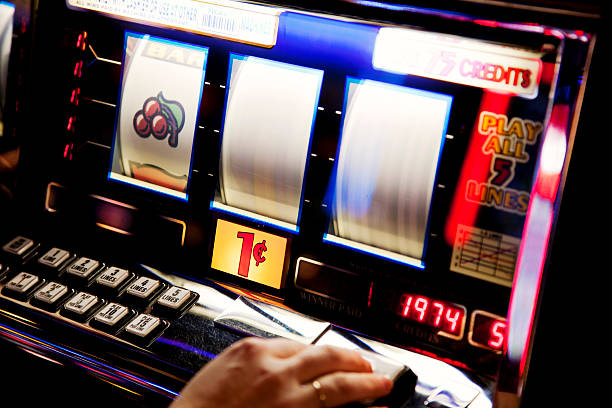
The casino environment is designed to captivate players from the moment they enter. Bright lights, engaging sounds, and a lively atmosphere create an intoxicating experience that draws individuals in. This sensory overload can trigger excitement and a sense of urgency, encouraging people to gamble. Many find themselves on platforms like casino lizaro, where understanding the psychology behind this allure is crucial in comprehending why many are drawn to casinos despite the inherent risks.

Additionally, the thrill of gambling can be linked to the brain’s reward system. When players win, they experience a rush of dopamine, reinforcing the desire to continue playing. This positive reinforcement can lead to repeated behaviors, where individuals chase their next win, often overlooking potential losses. The combination of sensory stimulation and psychological reward keeps players engaged for extended periods.
The Role of Social Interaction
Casinos often serve as social venues, providing a unique environment where individuals can connect with others. The social aspect of gambling can enhance the overall experience, as players celebrate wins together and share in the thrill of the game. This camaraderie can create a sense of belonging, making individuals more likely to return to the casino.
Moreover, social interactions can impact decision-making. Players may be influenced by those around them, whether through encouragement or peer pressure. This social dynamic can lead to riskier gambling behavior, as individuals may feel compelled to bet more than they usually would in a solitary setting.
Cognitive Biases and Gambling
Cognitive biases play a significant role in gambling behaviors. For instance, the illusion of control often leads players to believe they can influence the outcome of games based on skill or strategy, even in purely chance-based games. This false sense of empowerment can lead to increased betting, as individuals feel they can sway results in their favor.
Additionally, the gambler’s fallacy—the belief that past events influence future outcomes—can drive players to make irrational decisions. For example, if a player experiences a series of losses, they may believe that a win is “due,” prompting them to increase their stakes. These cognitive biases can cloud judgment and lead to detrimental financial consequences.
The Impact of Casino Design
The physical layout of casinos is meticulously planned to enhance gambling behaviors. Slot machines are strategically placed near high-traffic areas to attract attention, while tables are often arranged to create a sense of intimacy and excitement. The absence of clocks and windows contributes to a disorienting atmosphere, encouraging players to lose track of time and money.
Moreover, casinos often employ various psychological tactics, such as offering free drinks or rewards programs, to keep players engaged. These incentives can create a feeling of loyalty and encourage individuals to spend more time and money within the establishment. Understanding these design elements helps explain why individuals may find it challenging to leave the casino environment.
Exploring Lizaro Casino’s Approach to Gaming
Lizaro Casino represents a modern approach to online gaming, offering a broad range of experiences designed to cater to various player preferences. With an extensive selection of over 9,600 games, including live dealer options, Lizaro prioritizes user engagement and satisfaction. Their platform is designed with player psychology in mind, providing an immersive experience while ensuring safety and fairness.
New members can take advantage of generous bonuses, encouraging them to explore the diverse gaming options available. Lizaro Casino’s commitment to customer support and convenient payment options enhances the overall player experience, making it an attractive choice for both novice and experienced gamblers. Join Lizaro today to discover a gaming adventure tailored to your needs.